Home/Services/Vaastu . Industrial & Manufacturing
Vaastu . Industrial & Manufacturing

Energies and operations aligned for success

A factory runs on movement, systems, people, and timing. When the space supports this, production becomes smoother and operations more stable.

Turnaround
2–4 weeks
Follow-up
12 months
industries
industries-approch
Our Approach

Aligning your plant for smoother operations

When output is uneven or coordination feels strained, it sometimes reflects across production, storage, and movement. This may be due to the space itself.

We assess your facility on-site, studying layout, machinery placement, storage zones, workforce movement, and operational flow. This leads to clear, workable changes tailored to your setup, with minimal to no impact on ongoing operations.

Scope of work

All factory zones that affect output

We study the areas relevant to your operations and recommend changes based on how your plant functions. The categories below represent the full scope of what we offer in terms of spatial reading and addressal.

01

Production floor

  • Machinery placement
  • Assembly line direction
  • Operator stations
  • Material flow
  • Brahmasthan (open centre)
02

Raw material & storage

  • Material yard direction
  • Warehouse zone
  • Stock placement
  • Loading & unloading bay
  • Weight distribution
03

Main gate & entry

  • Gate facing direction
  • Security cabin
  • Visitor entry
  • Vehicle movement
  • Hoarding & signage
04

Administration block

  • Owner's & MD's cabin
  • Accounts & billing
  • HR & payroll
  • Conference room
  • Reception & pantry
05

Utilities & services

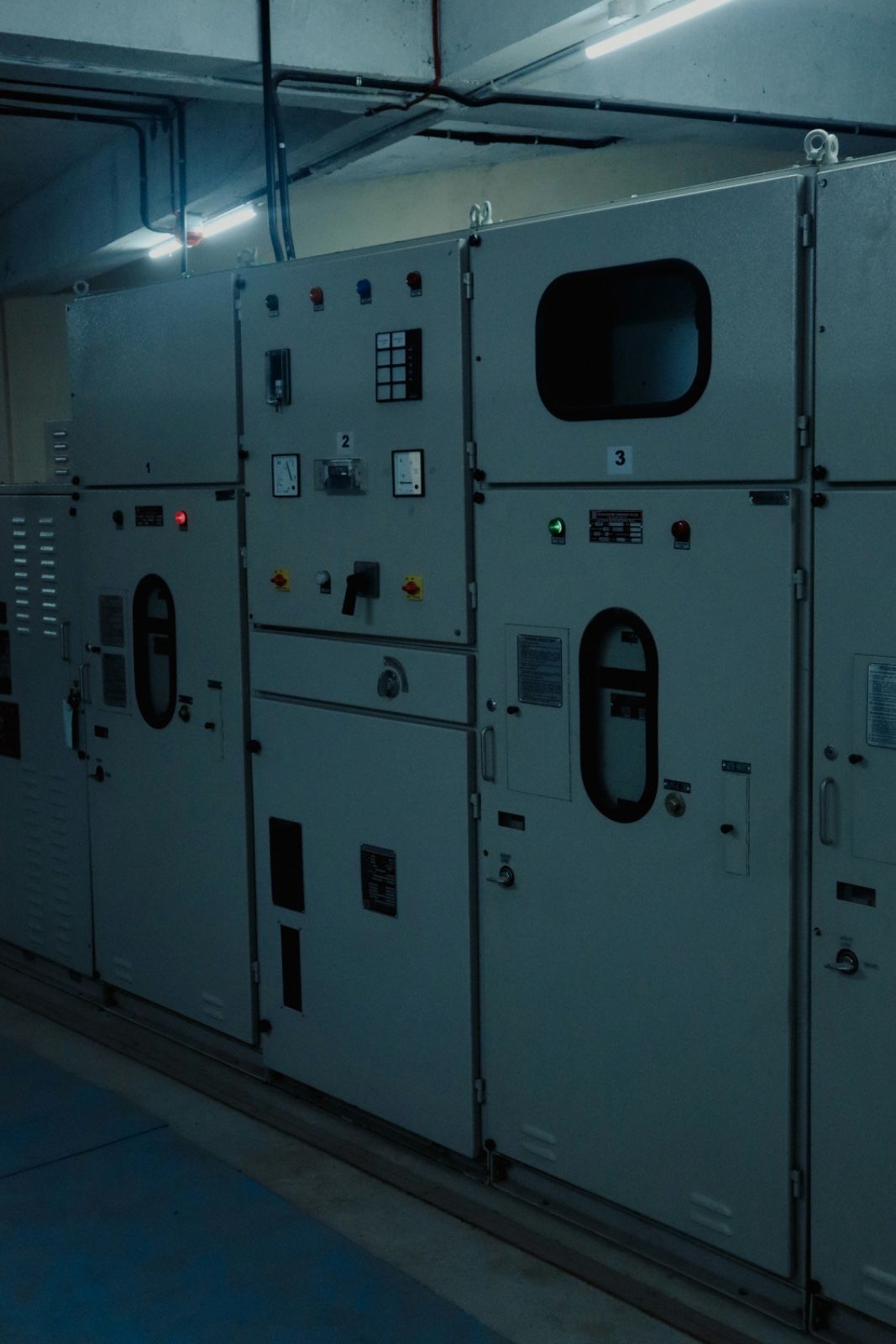
  • Generator & transformer
  • Boiler & furnace
  • Water tank & treatment
  • Effluent plant
  • Power room
06

Safety & workforce

  • Accident-prone zones
  • Worker rest areas
  • Canteen placement
  • First-aid & safety station
  • Labour quarters
Zones we read

Each zone contributes distinctly

From production floors to storage and admin areas, we read each space against the Vaastu Purusha Mandala. We assess factors like direction, layout, movement, and usage.

Production floor
01 · Stage 01
Production floor
Raw material storage
02 · Stage 02
Raw material storage
Main gate & entry
03 · Stage 03
Main gate & entry
Administration block
04 · Stage 04
Administration block
Generator & utilities
05 · Stage 05
Generator & utilities
Dispatch & finished goods
06 · Stage 06
Dispatch & finished goods
How it works

From assessment to implementation

01

First Conversation

30 min · Free

We begin with a discussion around how your plant operates and where the challenges lie. This helps determine if this is the right starting point.

02

On-Site Assessment

On site or remote

We observe how your plant runs on the ground; across production, storage, logistics, admin, and movement between zones.

03

What We Share

Within 7 days

You receive a clear report outlining observations and practical changes. We organise our recommendations by priority and ease of execution

04

Supporting Implementation

2–4 weeks

We guide you through the changes without interrupting production. You’re supported on all aspects like sequencing, coordination, and execution.

05

Ongoing Review

1 year included

We stay in touch over the following 12 months to review improvements and adjust where needed.

What changes

Changes that reflect on-ground

mprovements are often seen in workflow, coordination, production consistency, and day-to-day operations. These shifts build gradually as the space begins to support the system better.

Fewer breakdowns

Machinery placement and zone alignment reduce recurring mechanical failures.

Reduced accidents

Accident-prone zones identified and corrected before incidents recur.

Stable workforce

Labour quarters, canteen, and rest-area direction tuned for retention and harmony.

Cleared payments

Accounts cabin and billing zone aligned to unlock stuck receivables.

Frequently asked questions

What factory owners ask before engaging.

Practical answers to the questions that come up most often about Vastu for industrial and manufacturing units.

It studies production floors, machinery placement, raw material storage, admin zones, utilities, and workforce movement.

Factory layout and workflow planning can influence coordination, accessibility, and smoother operations.

Yes. Existing plants can be assessed to identify structural inefficiencies and operational imbalances.

Yes. Machinery zones are studied because placement can influence workflow continuity and space efficiency.

During setup, expansion, restructuring, or when facing recurring workflow, labour, or operational challenges.
Start Your Healing Journey

Every space holds a story. Let’s uncover yours.

Reserve a 30-minute introductory session with Umesh Sharrma; no commitment, just a clear first read of your space and its signals